The Benefits for Recipients
Wikipedia says that, “A human milk bank, breast milk bank or lactarium is a service that collects, screens, processes, pasteurizes, and dispenses by prescription human milk donated by nursing mothers who are not biologically related to the recipient infant.”
But first, a couple of stories from a pair of sisters, Anne and Molly, found on Milk Bank Northeast:
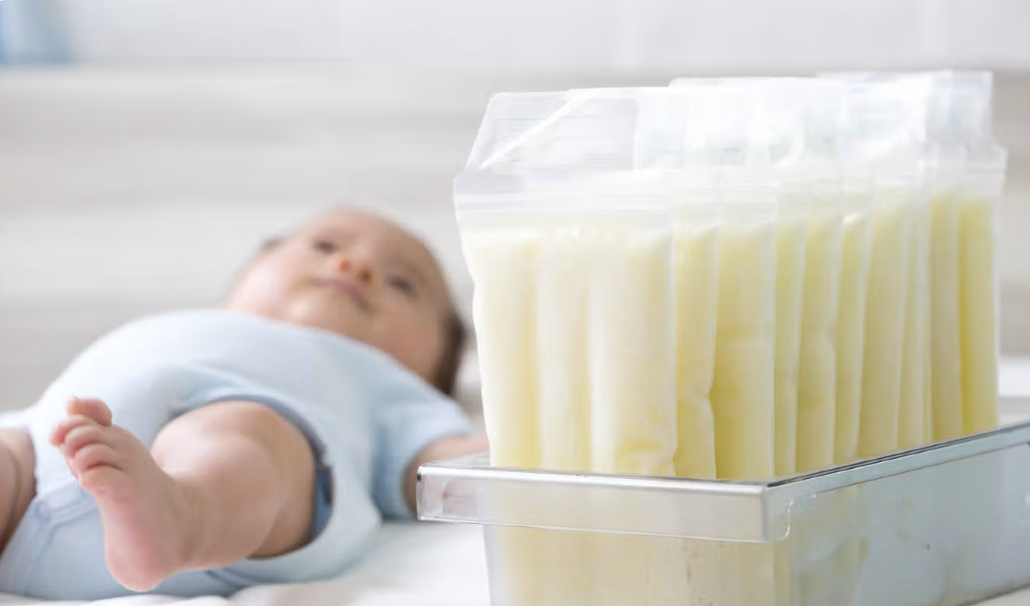
Molly: Molly’s pregnancy with her daughter Macy was going along smoothly until at 30 weeks, Molly’s blood pressure started rising. The mild symptoms started worsening…, and ultimately, a doctor’s visit at 35 weeks turned into a hospital stay with a labor induction.
After 48 hours, Molly was exhausted, worried and starting to feel desperate. Her midwife said, ‘I’m not in the business of recommending C-sections but in this case, I would.'”
…Molly remembers clearly when the pediatrician came in before her delivery. “She kindly told me, ‘You are about to have a preemie… and we are going to need to feed her and we recommend donor milk. Is that okay with you?‘” For Molly that was more than ok, it felt just right.
Molly is still so grateful to the hospital staff for how much they helped her and Macy get started on their breastfeeding journey.
With their encouragement, successful breastfeeding began to feel like a chance to celebrate what Molly’s body could do for her baby. It became a bright spot—an empowering win amid a pregnancy and birth so different from what she expected.
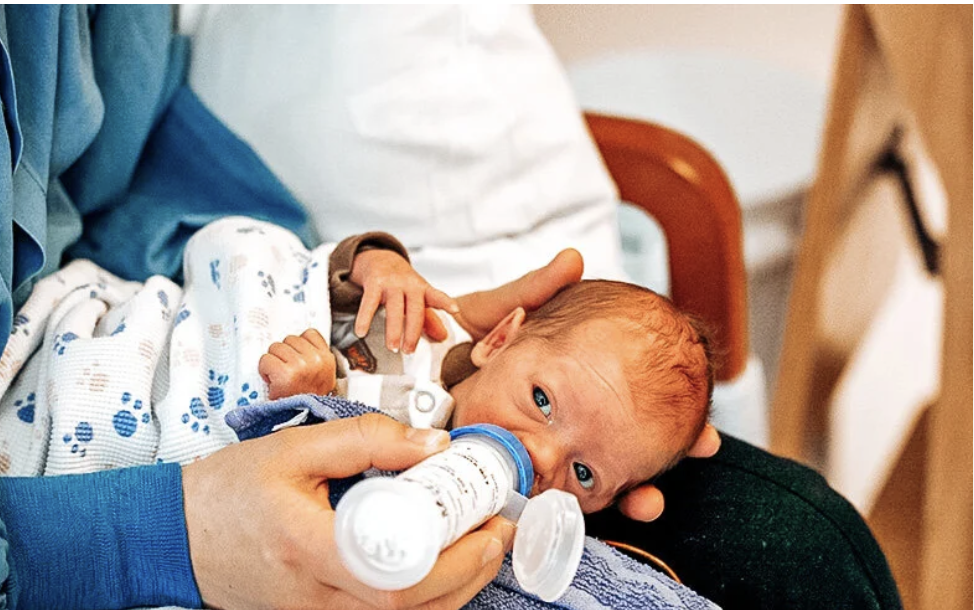
Anne: Anne’s pregnancy had been going smoothly until…she had a high blood pressure reading. Her OB recommended that labor be induced and…after several hours, labor was fully in motion.
Labor was intense, and Anne kept pushing. And pushing. And pushing. She pushed for five hours, but her little one wasn’t progressing. Finally, a doctor told her… that a C-section or vacuum-assisted delivery was recommended.
Suddenly, everything changed. Anne’s birth entered crisis mode. She needed an emergency C-section.
Then there was Gus, a beautiful healthy boy. But Anne felt beat up. She felt defeated.
Anne didn’t have a clear plan for feeding her new baby going into her birth. “We took a class on all things birth-related, but they didn’t really cover what happens after the baby is born, or how we would feed him.”
After Gus was born… her own milk hadn’t come in yet. She felt..relief when the nurses suggested donor milk, knowing she could nourish her baby while her supply developed. Gus received donor milk throughout his.. hospital stay, and the nurses sent the family home with a few bottles from our (MilkBankNorthEast)“Donor Milk to Go” program, which…fosters successful breastfeeding…
Then after her first night at home, Anne’s milk was suddenly IN. “Holy cow,” she laughs, “What a mess. Nobody told me about that either.” With the help of a lactation consultant, Anne and Gus began their journey toward successful breastfeeding.
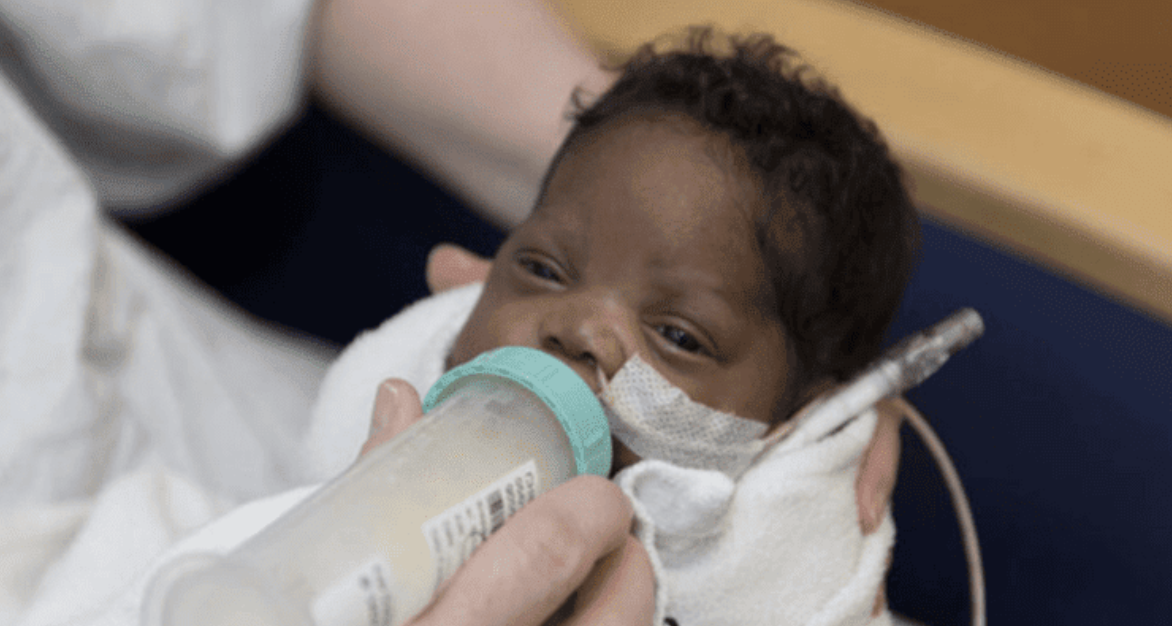
Before closing, I do want to point out one thing: Anne in her story said, “We took a class on all things birth-related, but they didn’t really cover what happens after the baby is born, or how we would feed him.”
I think many parents find themselves in this position. Lots of preparation for pregnancy, labor and delivery, but virtually no preparation offered for what is the main and biggest part of the baby’s story, life outside the womb.
This is why I do what I do. I am trained to educate and support in various ways, mom and dad when baby arrives.
I am so happy to help you or a loved one. You can go to my website here.
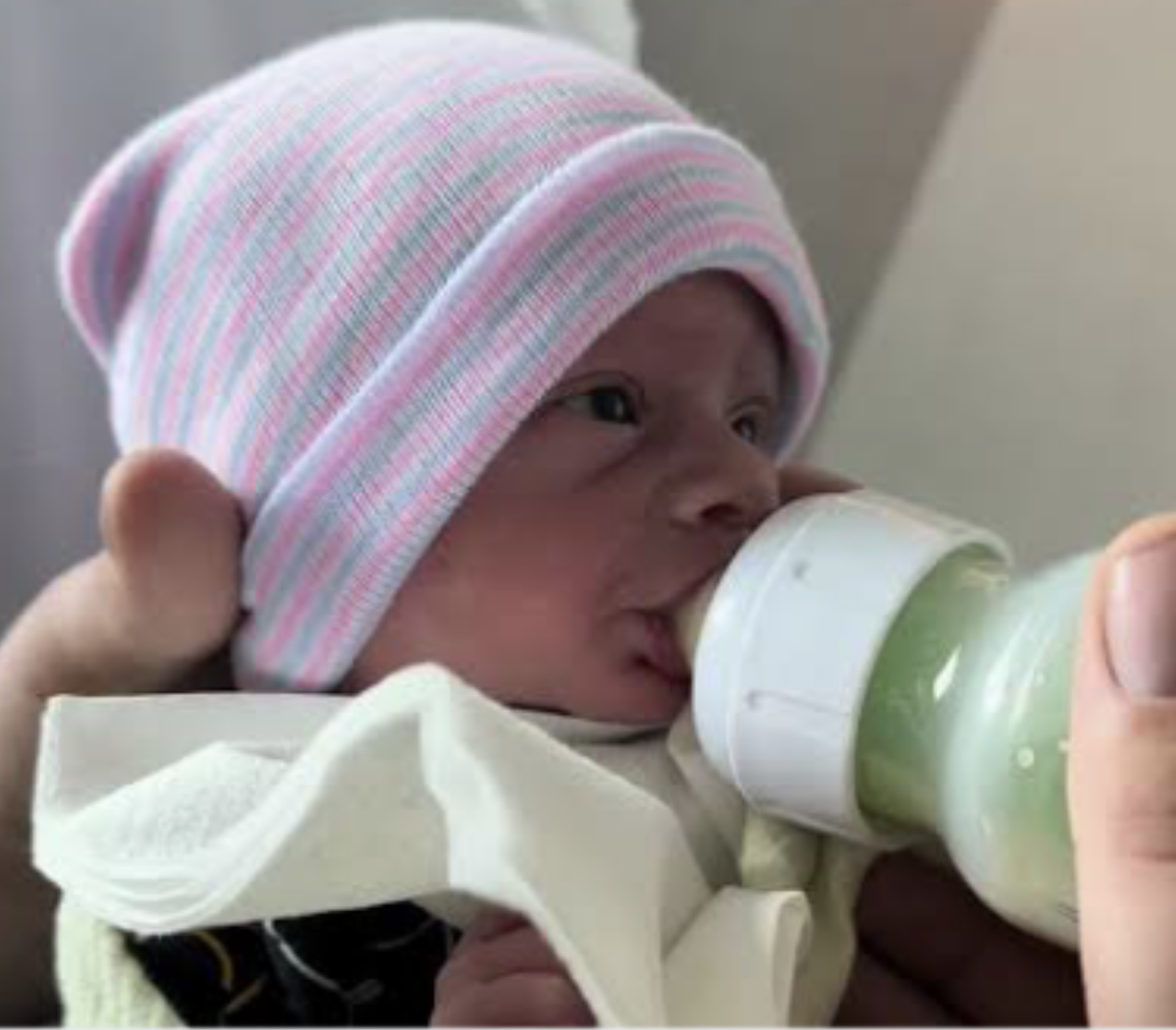
A breastmilk bank is an amazing gift for a mother who has had any interruption in the normal course of feeding baby after delivery.
One breastmilk bank in Lancaster is in the Lancaster Pediatric Center located at 1430 Harrisburg Pike. Phone 717-531-MILK (6455).