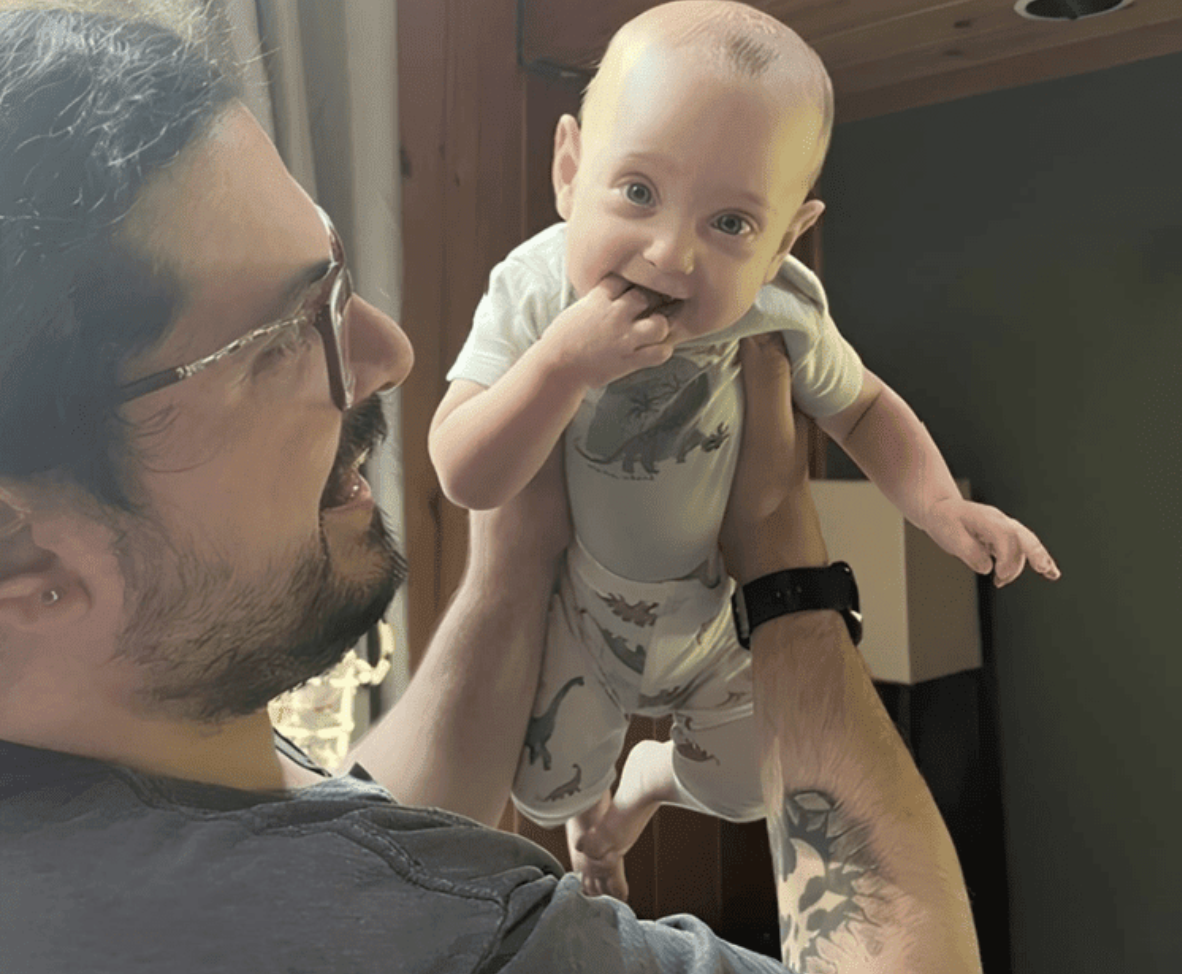
A Personal Story: Keeping Baby Maggie Safe: Donor Human Milk in the NICU*
Sarah never took having a baby for granted.
As a teenager, she was told that she would have trouble conceiving. After two rounds of IVF, she and her spouse, Mateus, were overjoyed to learn they were expecting. But her pregnancy took an unexpected turn when she developed a sudden, severe case of preeclampsia.
Doctors admitted her to Maine Medical Center. Four days into her hospital stay, that plan changed when doctors told her, “You’re having a baby tonight!”
Sarah chose a C-section to avoid prolonging her severe preeclampsia symptoms. Her doctors agreed it was likely the safest option.
After her C-section, one of the doctors introduced himself and explained that he would be caring for Maggie in the neonatal intensive care unit after she was born. When he asked whether they had our permission to give her donor milk, there was no hesitation. As Mateus still remembers, my answer was simple: ‘Do whatever you need to do, keep her safe.’”
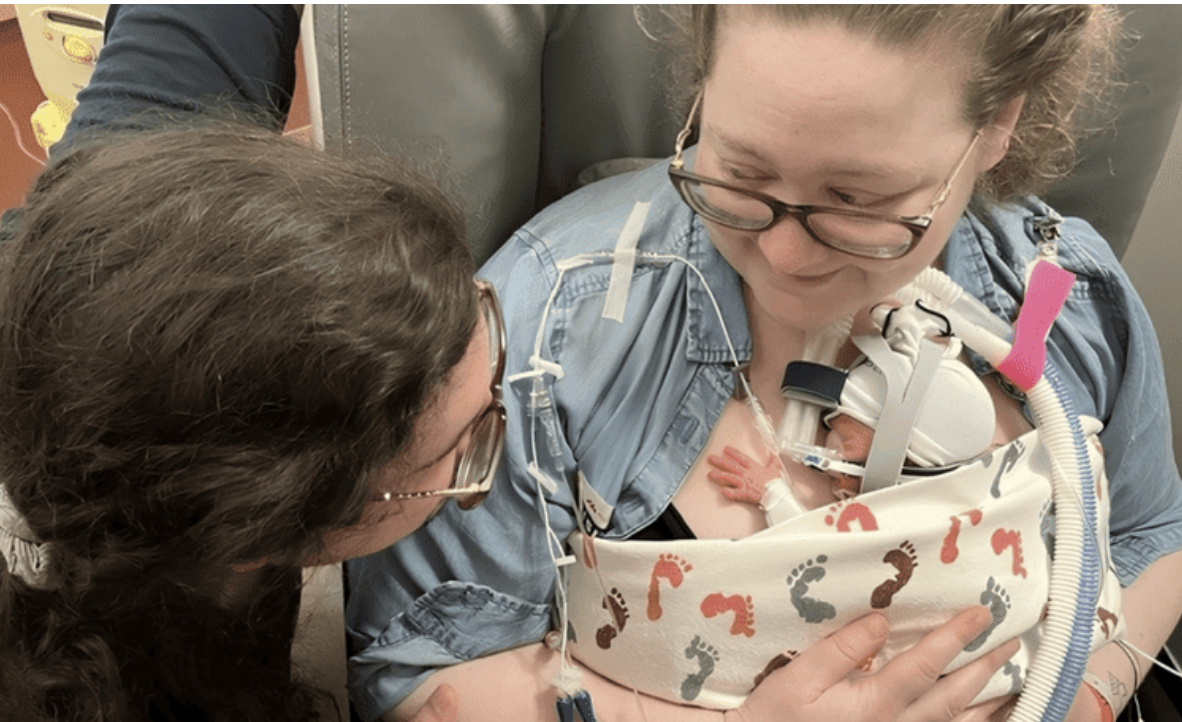
Maggie entered the world at 29 weeks and 4 days. She weighed 2 lbs., 11 ounces. She was given pasteurized donor human milk for the first 24 hours until Sarah’s milk came in.
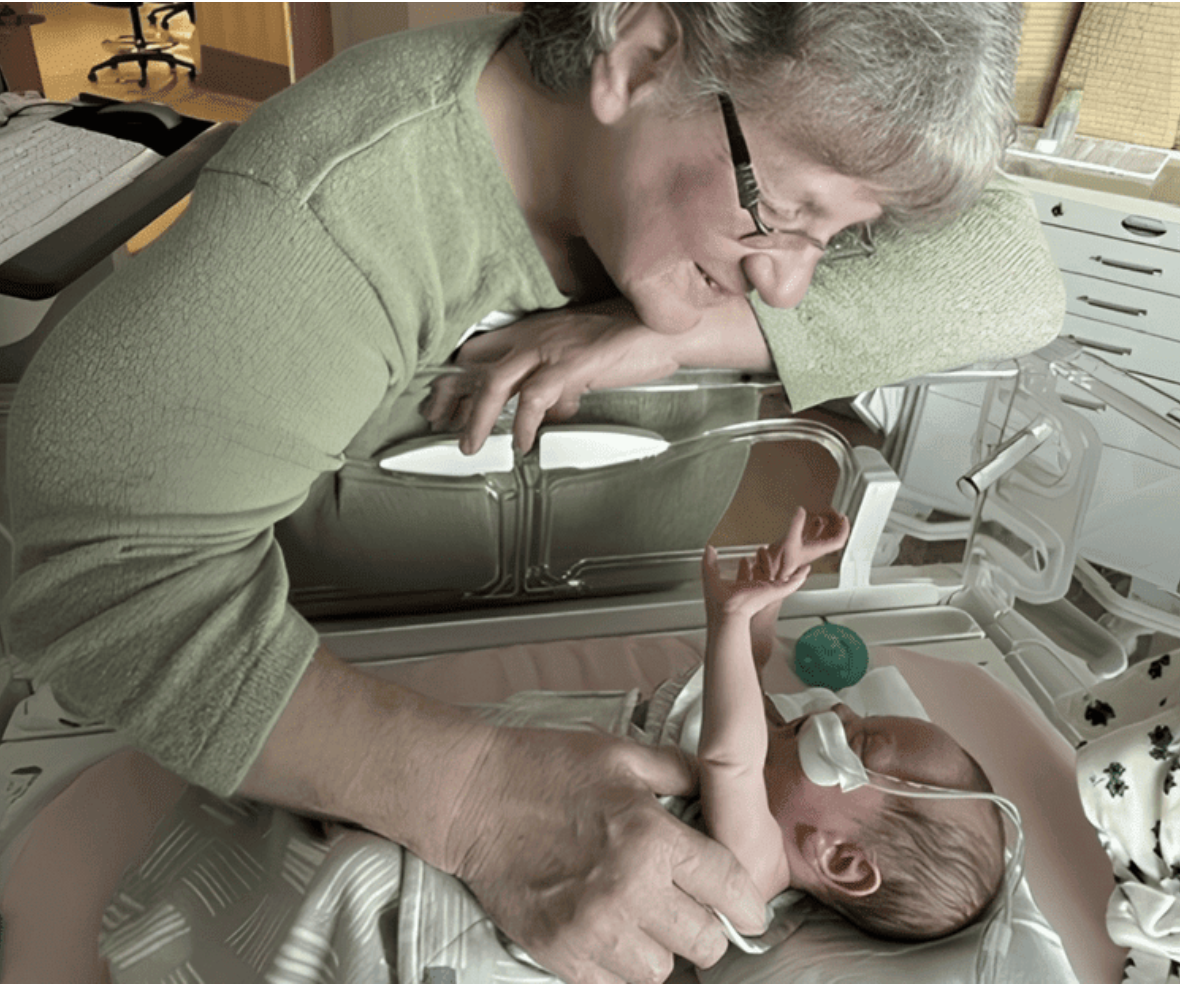
On day 7, Maggie was cared for by a neonatologist at Maine Medical Center, where she was born. It’s a small world when it comes to caring for the tiniest among us, and we all want the same things: for these little ones to get the safe nutrition they need for the best start possible and the highest level of care.
Maggie was in the NICU for 84 days, needing to stay a couple weeks past her original full-term due date.
“It’s unbelievably hard to walk out of the hospital without your baby. That was the first thing we had to get used to. I got so comfortable in the hospital, it was like a second home. I sat with crying mothers I didn’t know, just to hold that space for them. To let them know I understood.”
It wasn’t long before nurses realized Sarah was one of the fortunate mothers with an abundant milk supply. They encouraged her to consider donating it.
No one understands the importance of pasteurized donor human milk better than the clinicians who care for babies in neonatal intensive care units. It is a critical part of their medical care during those earliest days.
Sarah and her family are actively and consciously helping build a better world for the daughter she brought into it.
This work relies on people who want to give—people who understand what it means to have a baby who needs something they can’t provide, people who know what it feels like to depend on the compassion of strangers, and people who come together to become those compassionate strangers for someone else.
For Sarah, donating milk is one more way to help build the world she hopes Maggie will grow up in. Together, Sarah and Mateus are showing Maggie what it means to care for others.